


Written by Zhang Jun Hao (Ken), Year 1 Geography and Resources Management (GRMG) Concentration Studies Student and Vice President, Gravel GRMG Society
After spending a semester studying rocks, coastal landforms and geological processes in our Introduction to Geology and Geotourism course, I was excited to join a Geology and Culture In-depth Boat Tour to the Northeast New Territories Sedimentary Rock Region of the Hong Kong UNESCO Global Geopark.
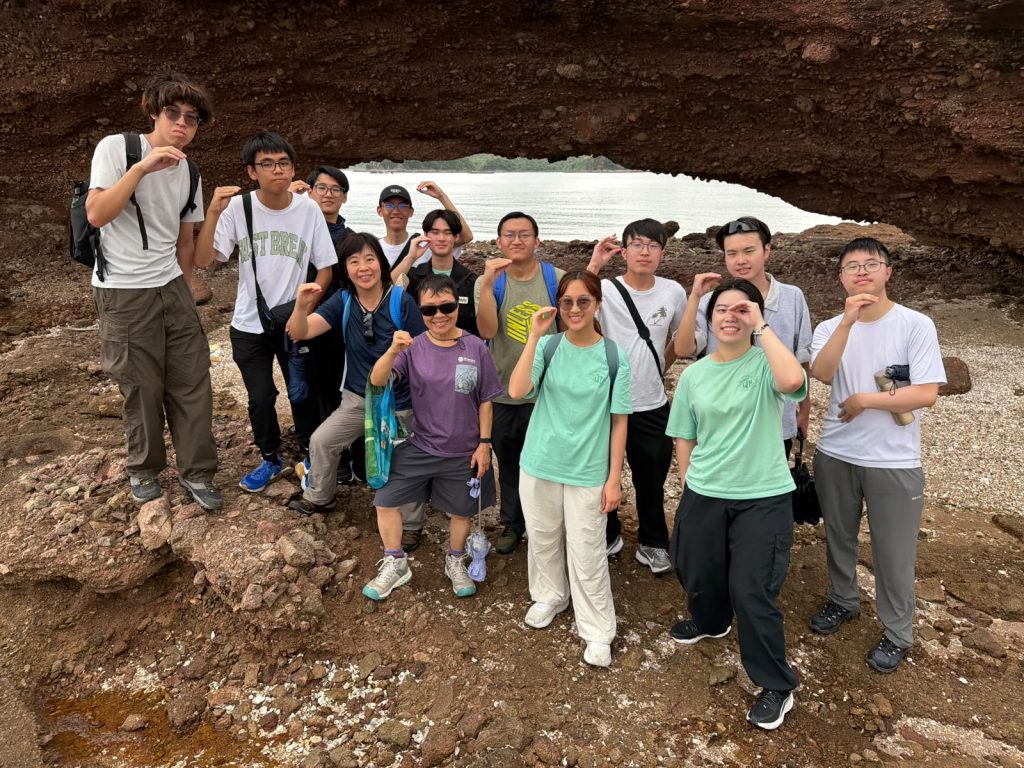
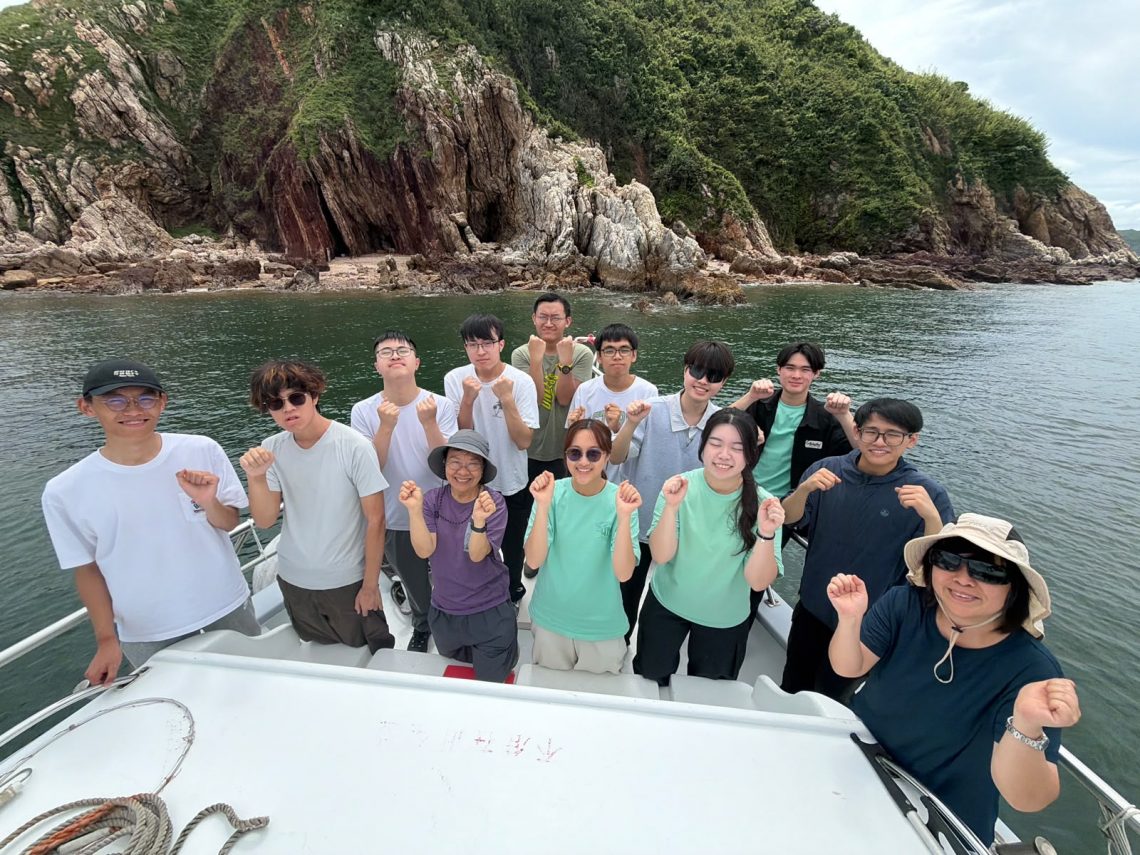
Organised by our former GRMG (Geography and Resources Management) Society, Glimmer Society, as a reunion and learning activity for GRMG students, the trip offered a valuable opportunity to see textbook concepts come to life in the field. As a GRMG student, I expected to learn more about geology, but the experience ultimately gave me a much broader appreciation of the connections between landscapes, ecosystems and local communities. I expected a chance to finally see the concepts from my lecture slides in real life. What I did not expect was that the trip would completely change my understanding of what a global geopark really is.
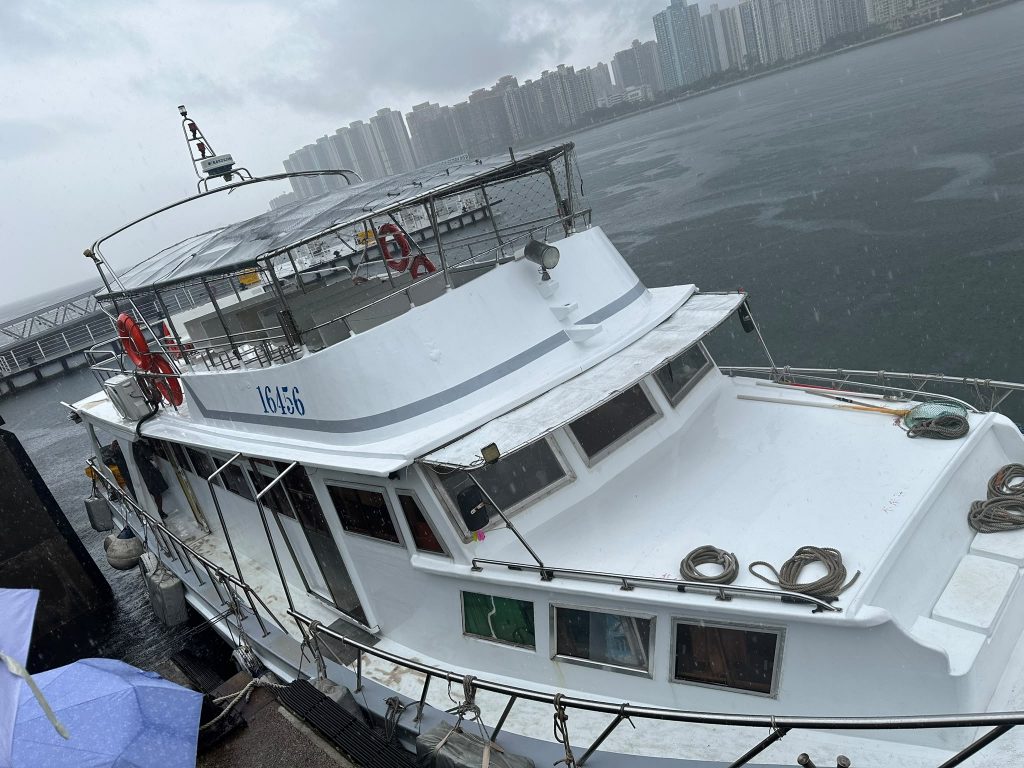
Departing from Ma Liu Shui Pier, we sailed across Tolo Channel into one of Hong Kong's most remarkable geological landscapes. As a GRMG student, it felt like stepping out of the classroom and into a living textbook.
Port Island: Red Rocks, Deep Time and Dinosaur Fossils
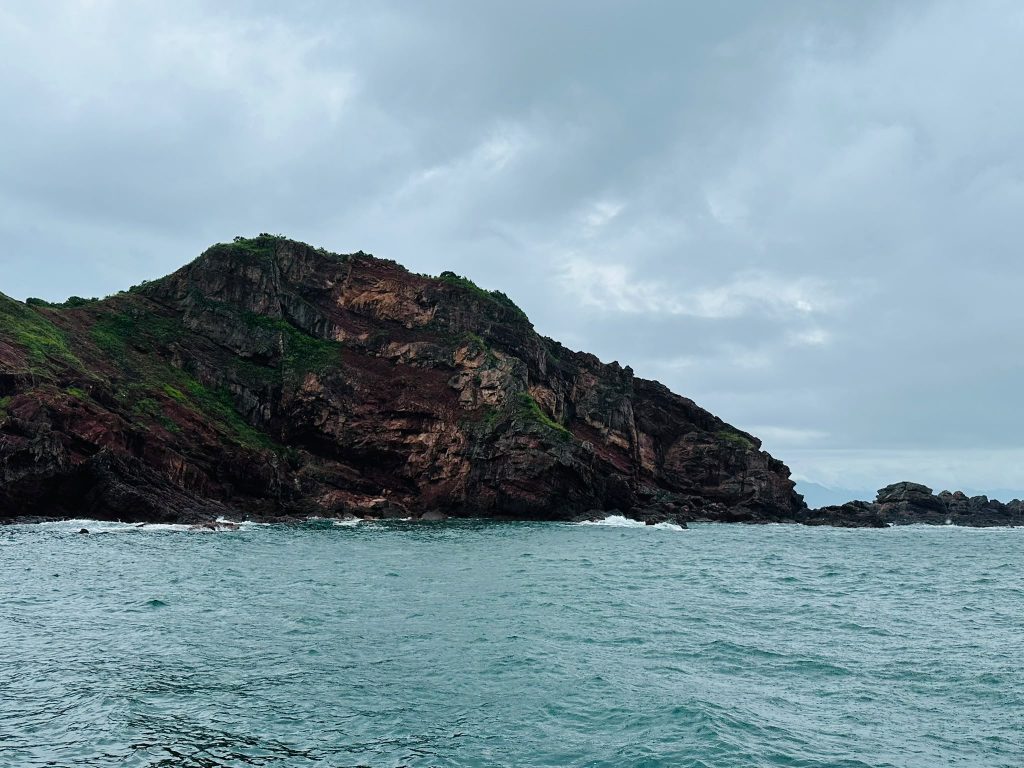
One of the first highlights was Port Island (Chek Chau). As the island came into view, the coastline was covered in striking red sedimentary rocks formed during the Cretaceous Period. Their distinctive colour comes from iron oxidation, recording environmental conditions that existed more than 100 million years ago.
What fascinated me even more was learning that Port Island became the site of Hong Kong's first dinosaur fossil discovery in 2024. The fossils were identified as belonging to a large dinosaur that lived during the Cretaceous Period, opening an exciting new chapter in Hong Kong's geological history.
For a moment, the millions of years between us and that ancient world felt surprisingly small. The rocks were no longer just geological features. They were evidence of landscapes, climates and creatures that existed long before modern Hong Kong.
Tap Mun: Where Geography Meets Culture
We later landed at Tap Mun (Grass Island) for lunch. Although Tap Mun is not part of the Hong Kong UNESCO Global Geopark itself, it is closely associated with the region and is well known for its fishing village culture and peaceful rural landscape.
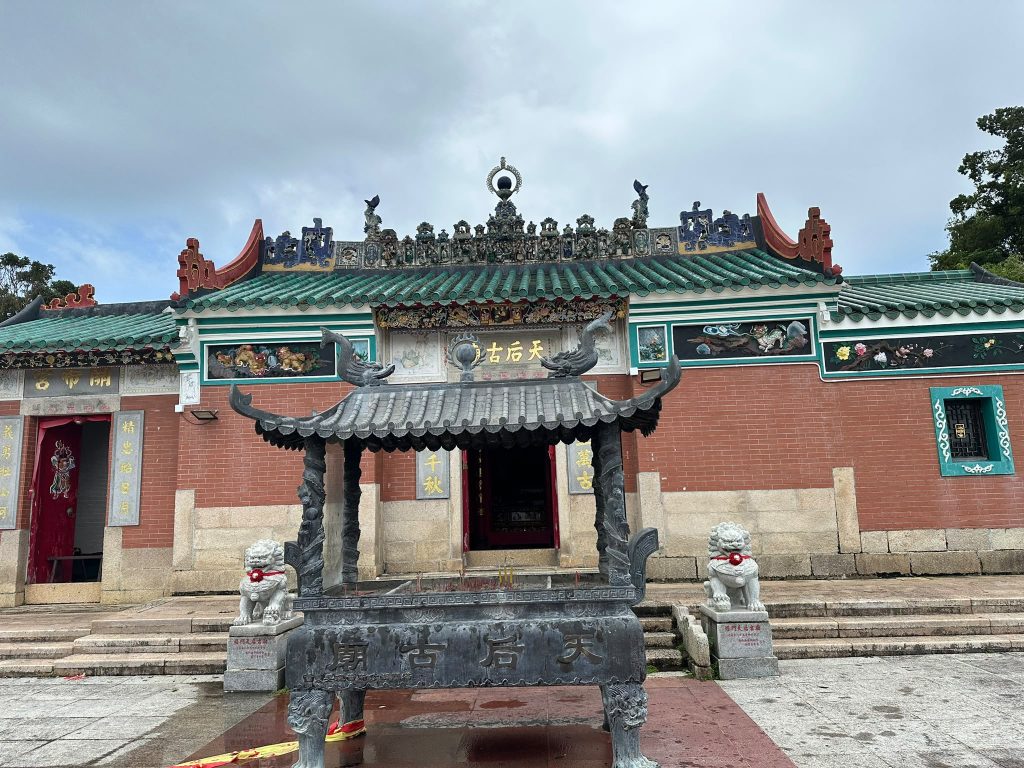
The visit to the historic Tin Hau Temple gave me one of the biggest surprises of the day. At first, I wondered why a geology tour would include a cultural site. However, looking out from the temple towards the harbour, I realised that generations of fishermen had built their lives around the surrounding sea and landscape.
That was my first important takeaway from the trip: geology never exists in isolation. The natural environment influences how people live, work and develop their traditions. The temple was not just a cultural landmark. It was part of a larger story about the relationship between people and place.
The Devil's Fist: Geology Beyond the Lecture Slides
Back on the boat, we headed towards Wong Chuk Kok Tsui (Bluff Head) to see the famous Devil's Fist.
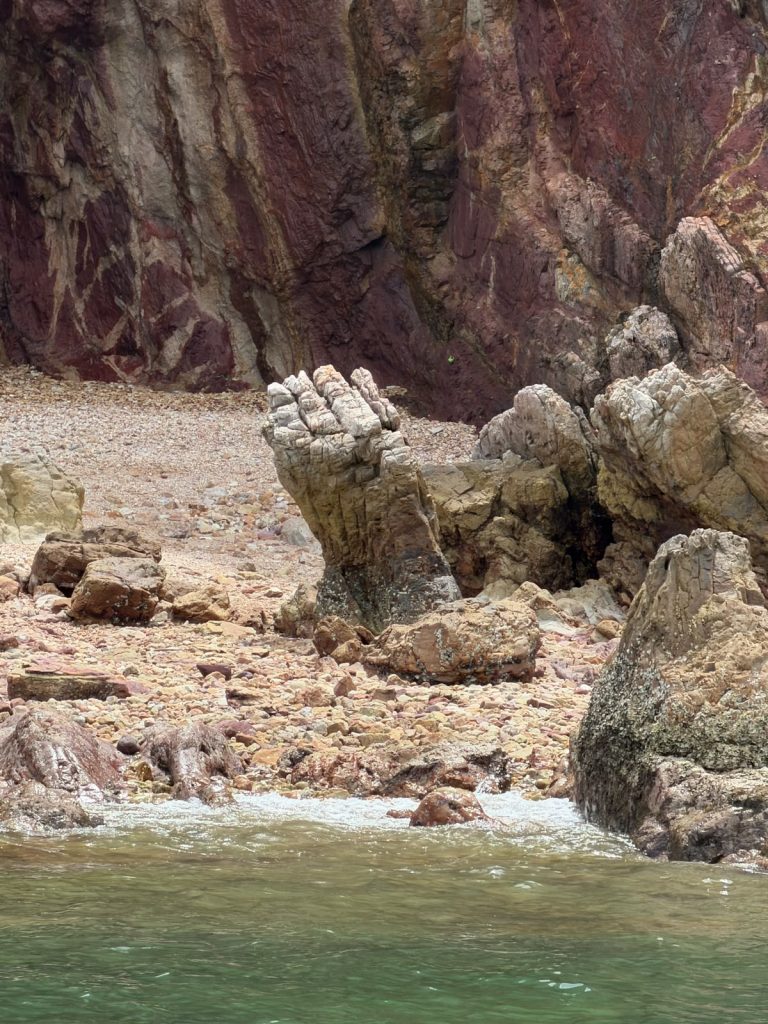
I had memorised terms like "differential weathering" and "coastal erosion" for quizzes before, but seeing them in reality was completely different. The dramatic rock formation, sculpted by millions of years of natural forces, stood out powerfully against the sea.
As I watched the tilted rock layers rising from the water, I finally understood what our lecturers meant when they described landscapes as constantly evolving systems. Concepts that had once existed only in diagrams suddenly felt real.
Double Haven: A Different Way of Seeing the Landscape
The most unexpected lesson came when we entered Double Haven (Yan Chau Tong Marine Park).
The calm waters and surrounding islands created one of the most beautiful scenes of the trip. Our geopark guide introduced us to the famous "Six Treasures of Double Haven", where local villagers interpreted its calm waters, unique headlands, and islets as traditional Chinese writing tools.
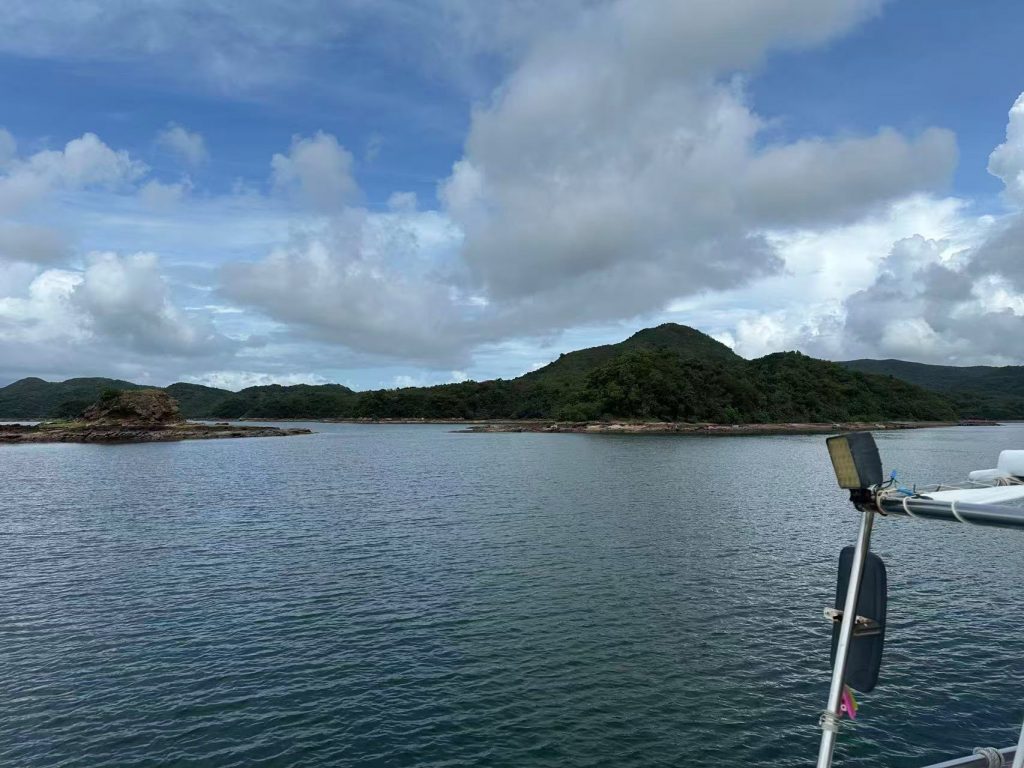
As a student, I had always viewed landforms from a scientific perspective. Hearing these cultural interpretations completely changed my viewpoint. The same geological features that geologists study can also inspire stories, traditions and a sense of identity within local communities.
This was the moment when I began to appreciate that geoparks are as much about people and culture as they are about rocks.
Ap Chau: An Open-Air Geology Classroom
Our final stop was Ap Chau, a small island known for its rare ochre breccia, a sedimentary rock found in only a few locations in Hong Kong. Millions of years ago, Ap Chau may have been a narrow basin or gorge in a hot, dry environment, where iron-rich sediments became heavily oxidised. Over time, layers of sand and gravel were deposited, buried and eventually cemented into the distinctive ochre-coloured rock that forms the island today.
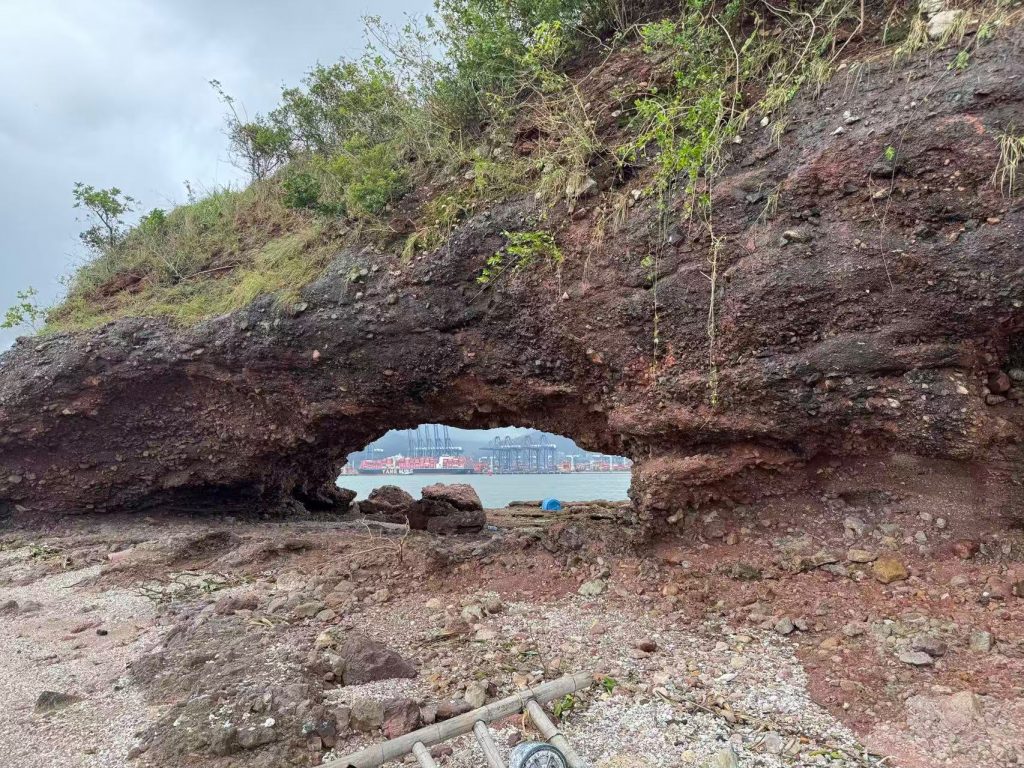
Standing there, I did not just see rocks. I saw evidence of ancient environments, geological processes and the immense timescales that have shaped our planet. The island truly felt like a living, open-air classroom.The Duck's Eye Sea Arch at Ap Chau, carved by centuries of coastal erosion, is Hong Kong's only sea arch that visitors can safely walk through.
More Than Just a Geology Field Trip
Before joining this tour, I would have described a geopark as a place that protects important geological features. By the time we returned to Ma Liu Shui, my answer had completely changed.
A geopark protects much more than rocks. It also preserves ecosystems, cultural heritage and the connections between people and nature. As a GRMG student, the trip reminded me that sustainable conservation is not simply about protecting landscapes. It is about understanding the relationships that make those landscapes meaningful.
This was far more than a boat tour. It was a reminder that some of the most valuable lessons in geography cannot be learned from textbooks alone. They come from being there, seeing the landscape firsthand, and understanding the stories written into every cliff, coastline and community.