



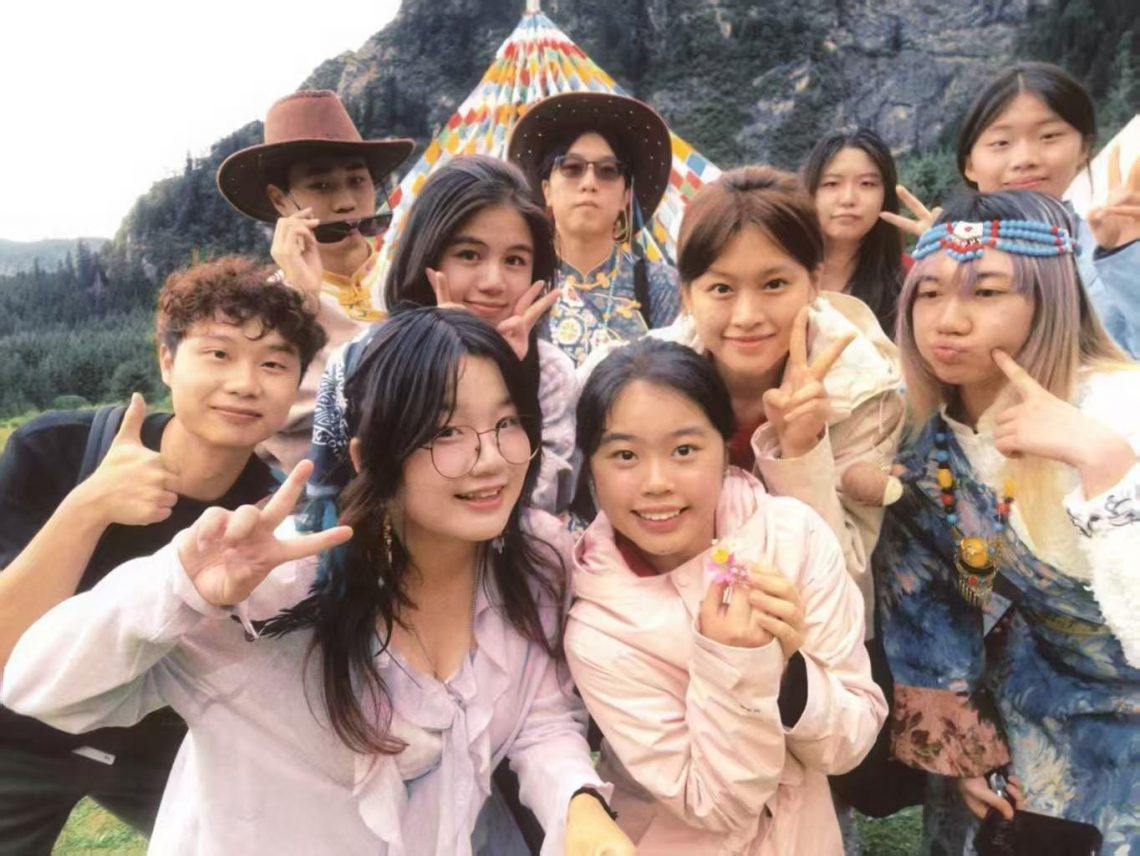

Written by Year 2 GRMG Student, Lorraine Wong Lok Tung, President of the GRMG Society Gravel
As a Year 2 Geography and Resources Management (GRMG) student at the College of International Education, Hong Kong Baptist University (HKBU CIE), with a passion for geospatial data science, I gained first-hand fieldwork experience during a 10-day summer study tour to Gansu Province. This trip allowed me to explore the real-world intersection between spatial planning, sustainable resource management, clean technology, and cultural preservation.
Urban Spatial Planning and Clean Technology in Lanzhou (蘭州)
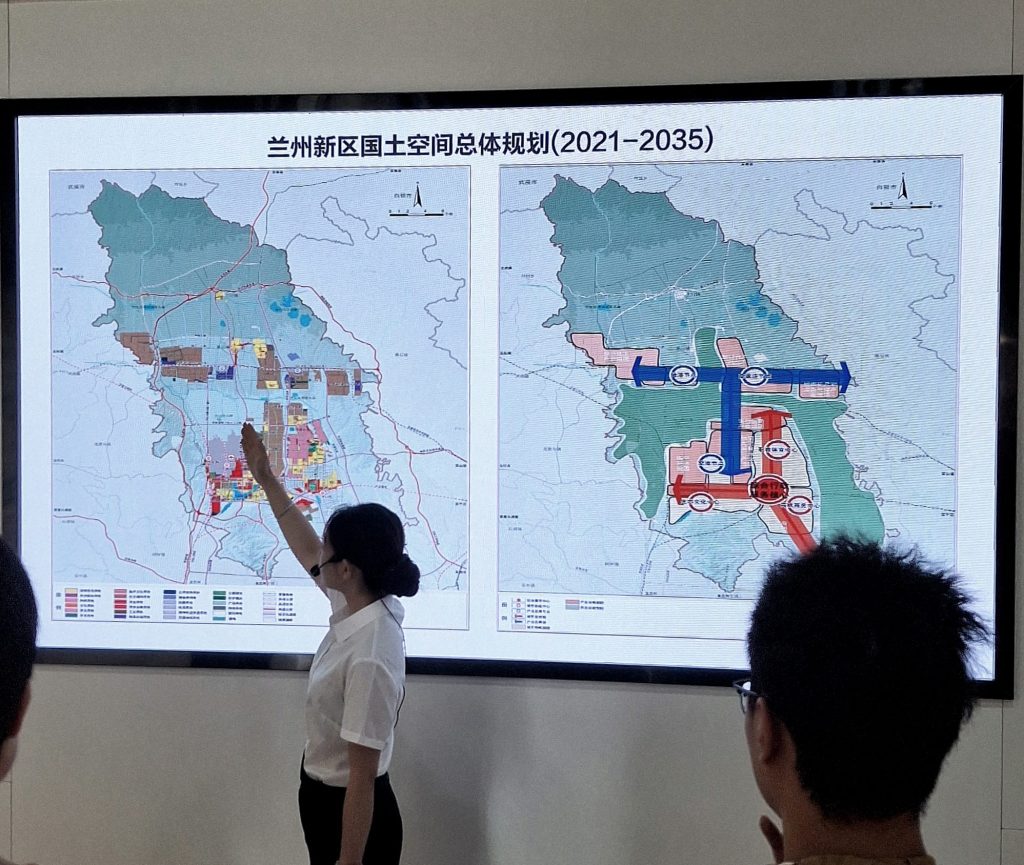
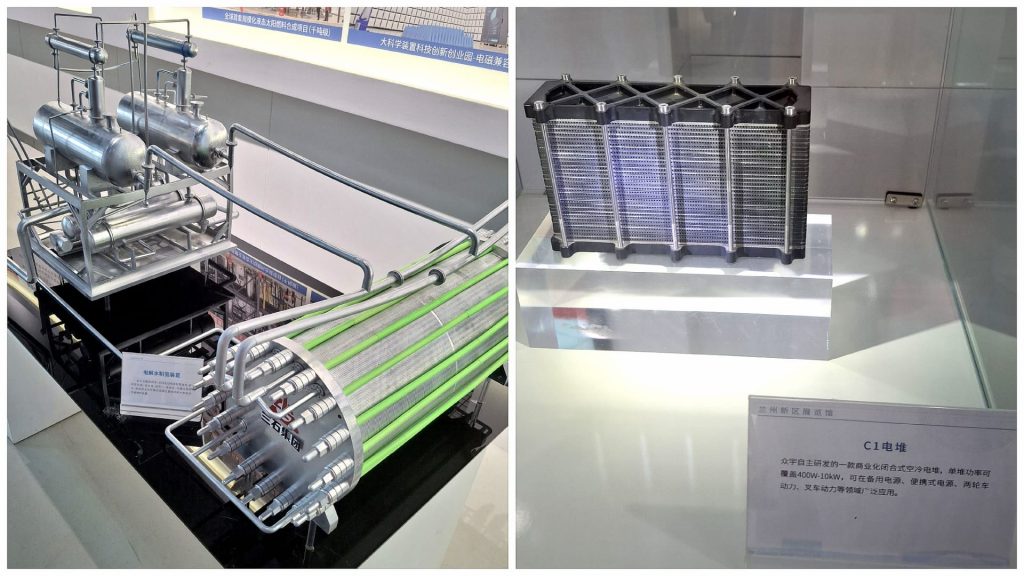
Starting at the Lanzhou New Area Industrial Exhibition Hall, we reviewed the Territorial Spatial Master Plan (2021–2035) to understand its spatial zoning, industrial corridors, and ecological buffers. The exhibits featured operational clean energy infrastructure, specifically water electrolysis hydrogen generation systems and C1 fuel cell stacks. Seeing these innovations integrated into regional planning highlighted how clean energy can successfully decarbonize growing urban centers.
Agriculture and Heritage Conservation in Linxia (臨夏)
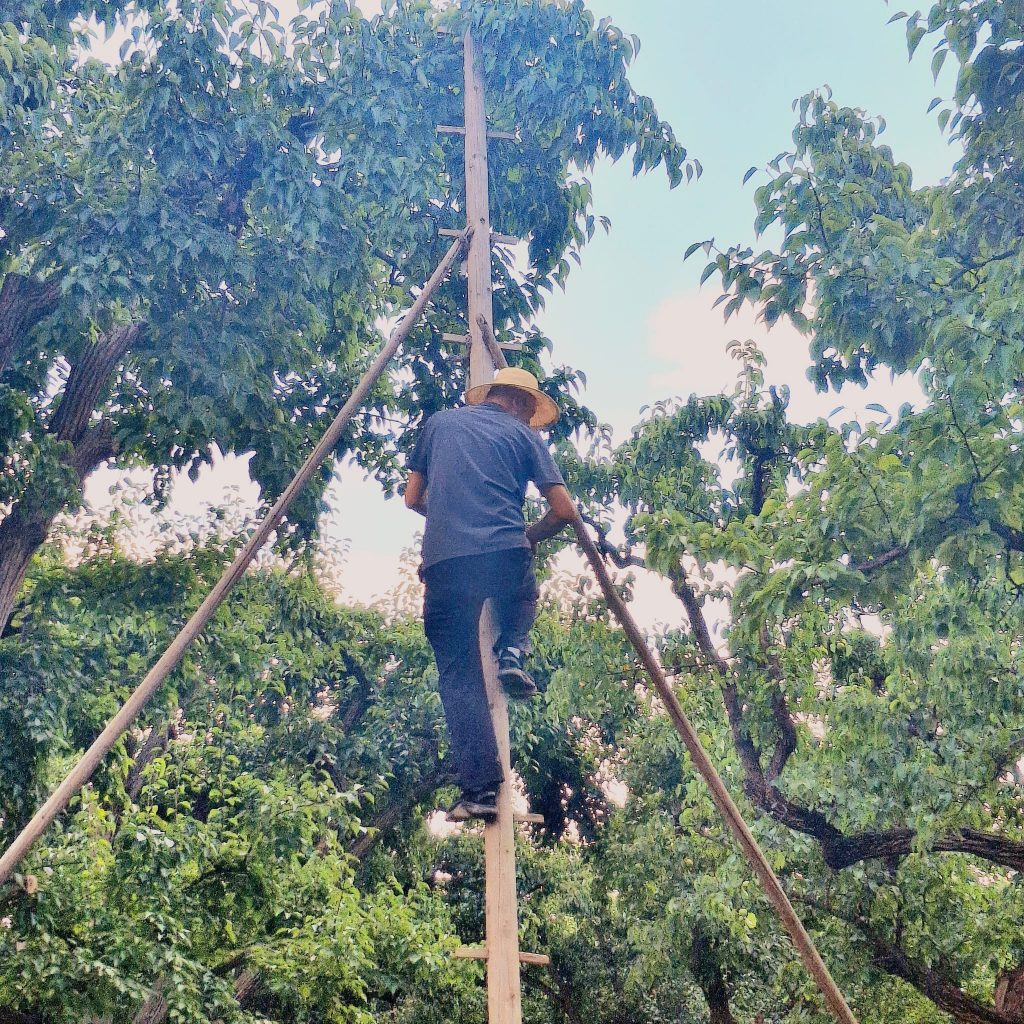
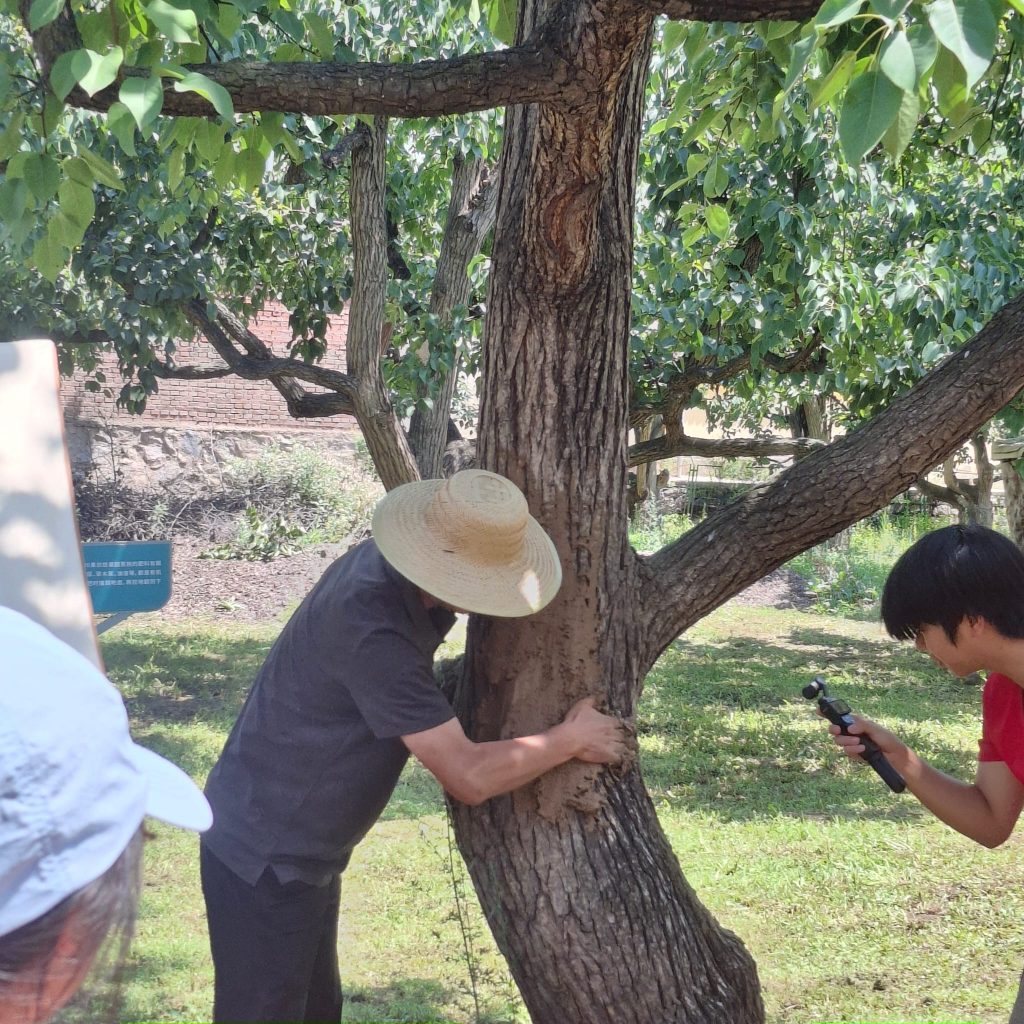
During our visit to Lanzhou’s Shichuan Ancient Pear Orchard, we watched a local grower apply rich Yellow River mud to old tree trunks. This traditional “Spring Mud Smearing” technique naturally protects the trees and suffocates pests, and we even joined in to get our hands dirty. Looking up, I was amazed by a farmer scaling an incredibly tall, single-pole wooden ladder to tend the high canopy. Witnessing this brave “Tianbashi” technique deeply connected us to a centuries-old farming heritage.
Exploring the Bingling Temple Caves: A UNESCO World Heritage Site
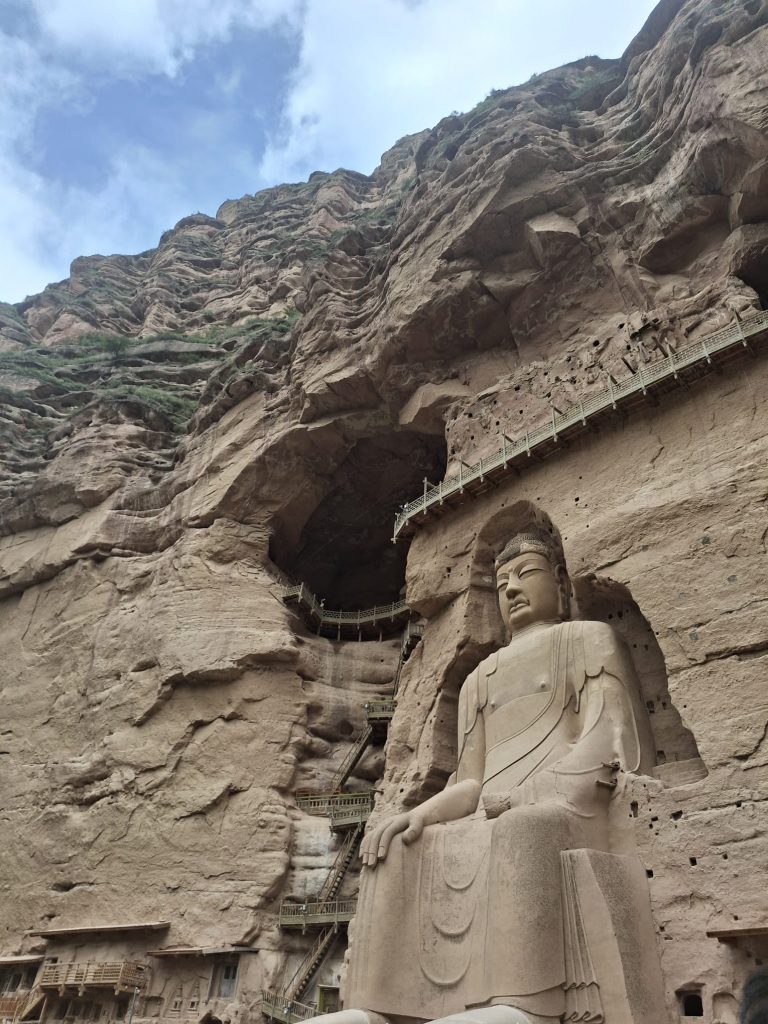
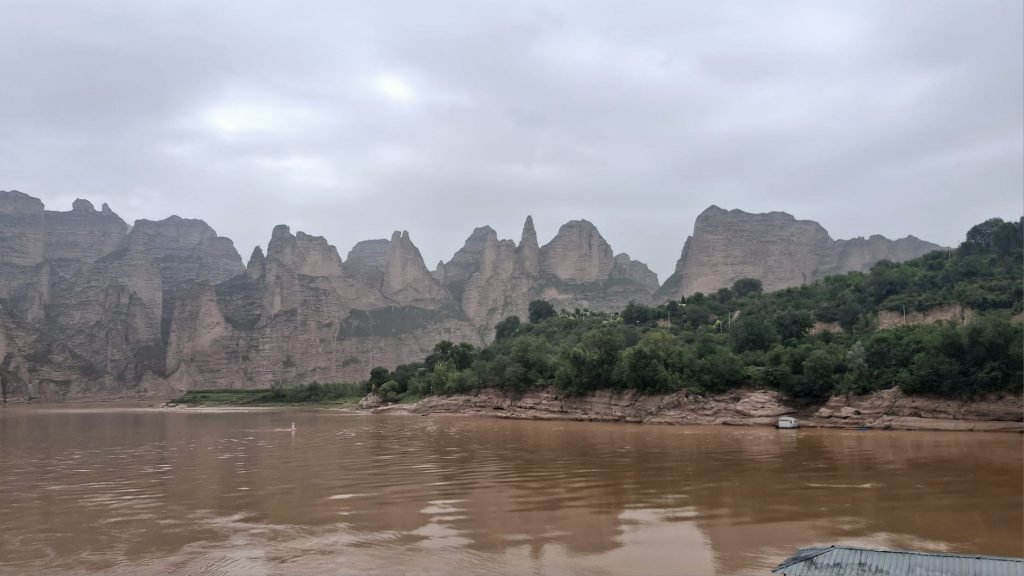
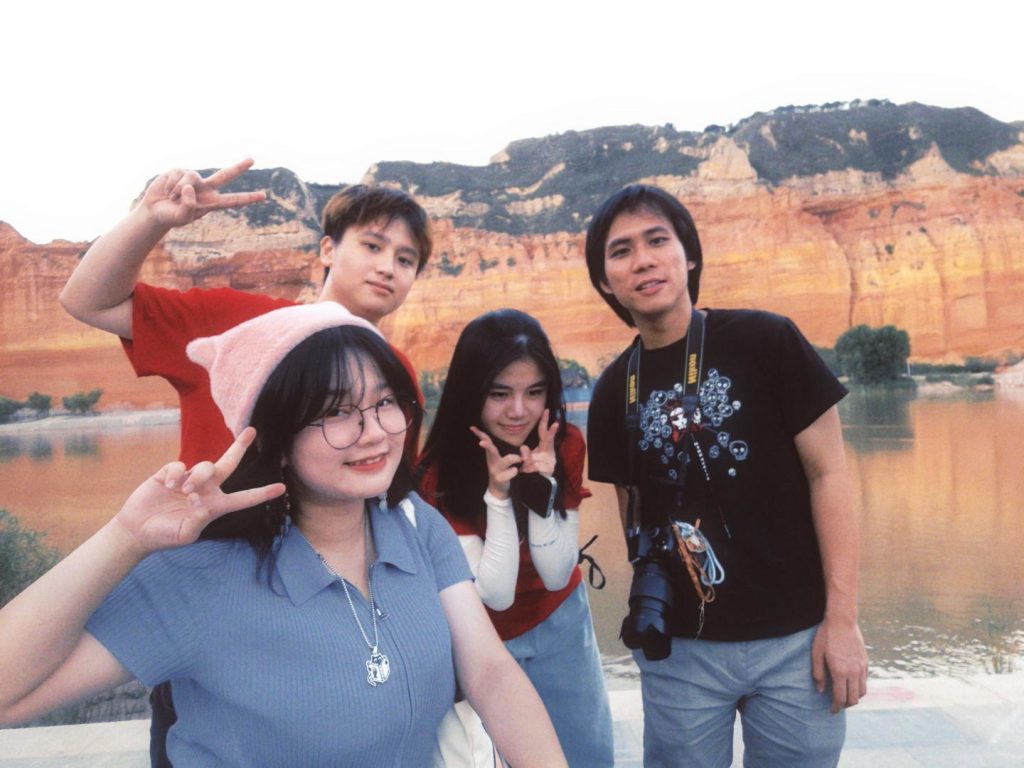
At the UNESCO World Heritage site of Bingling Temple Caves, ancient rock-cut architecture seamlessly meets nature. The grand Maitreya Buddha, carved directly into a red sandstone cliff, stands amid steep river gorges shaped by hydrological erosion. Situated along the silt-laden Yellow River, this well-managed site beautifully balances cultural heritage, ecological preservation, and tourism to promote sustainable development.
Developing a Sustainable Proposal for Eight Blocks and Thirteen Alleys
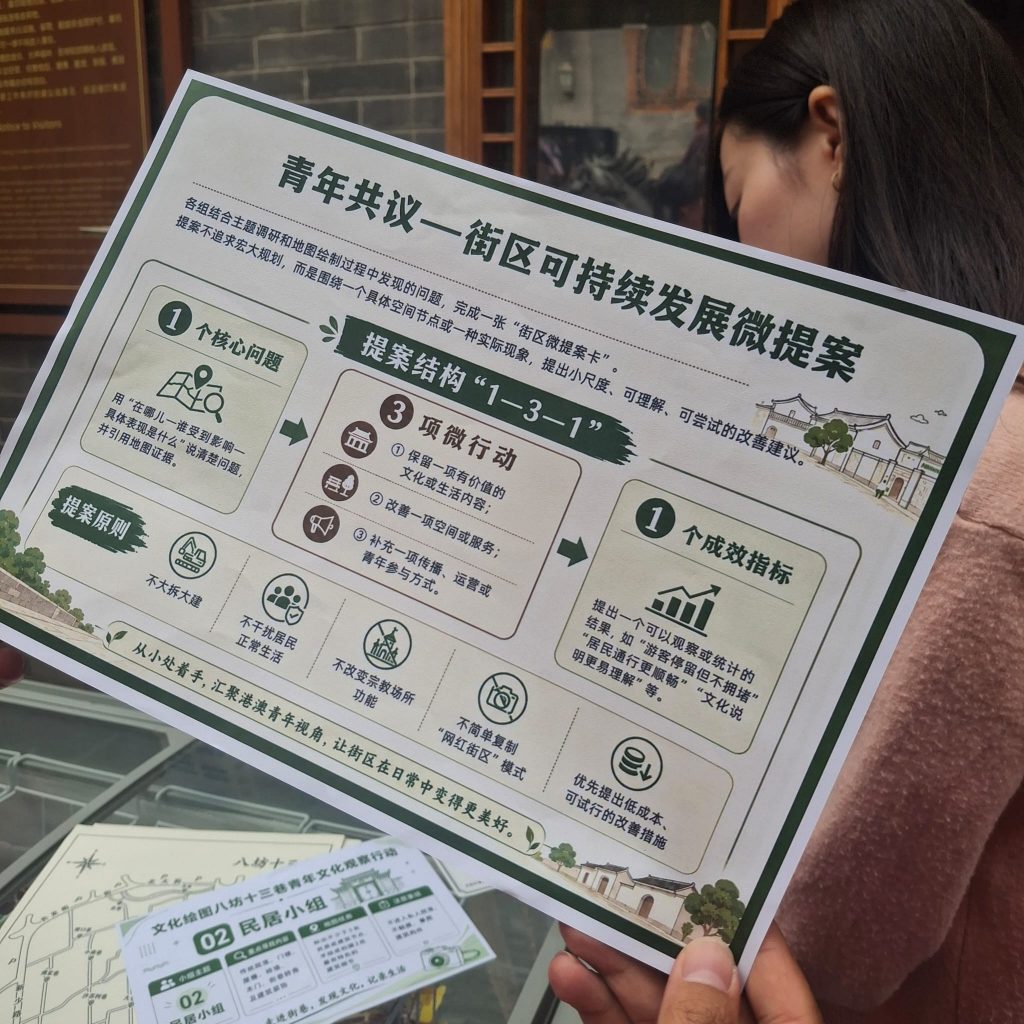
Based on our study of the Eight Blocks and Thirteen Alleys, we created the proposal “Youth Co-Deliberation: Neighborhood Sustainable Development.” To resolve public restroom shortages and hazardous shared roadways, we plan to implement guided tour routes and expand public facilities. This upgrade balances tourism growth, pedestrian safety, and cultural preservation while safeguarding local community life.
A Taste of the Region: Local Specialities and Food Culture
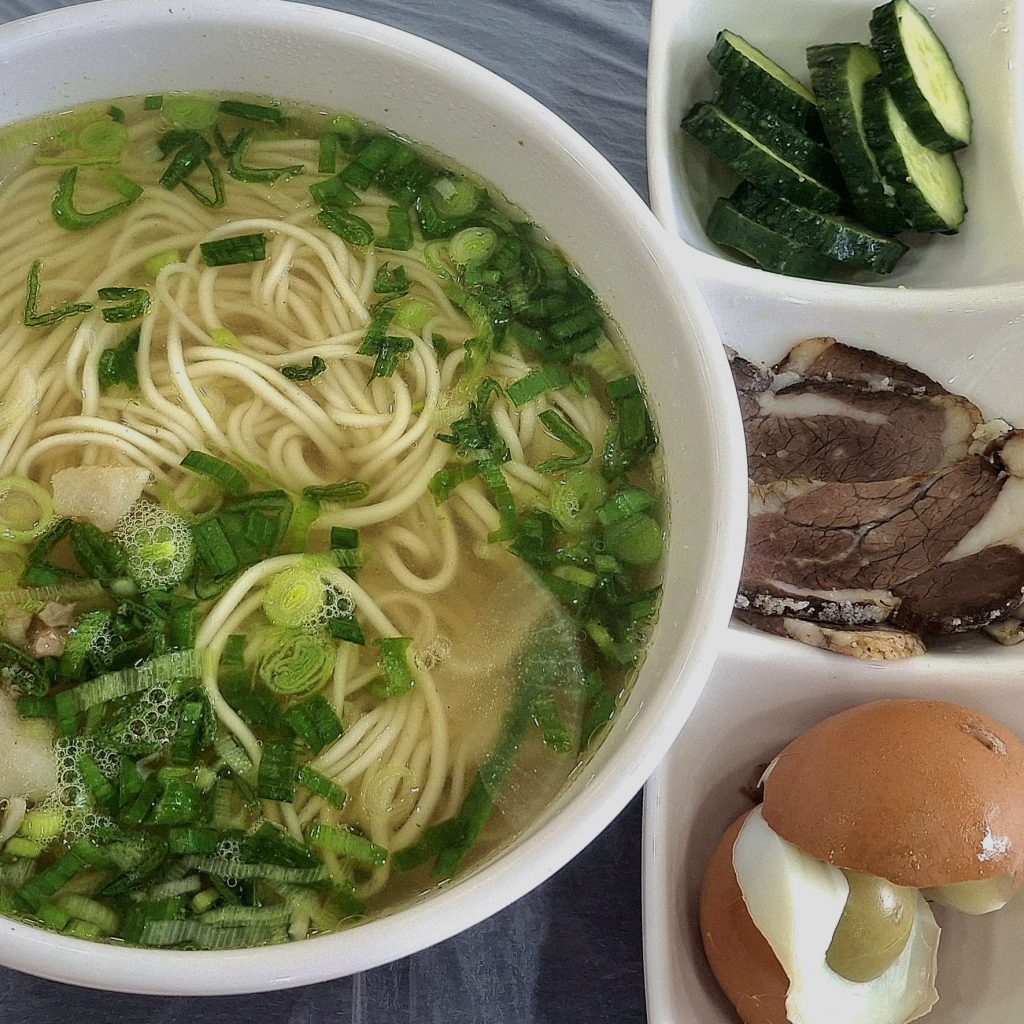
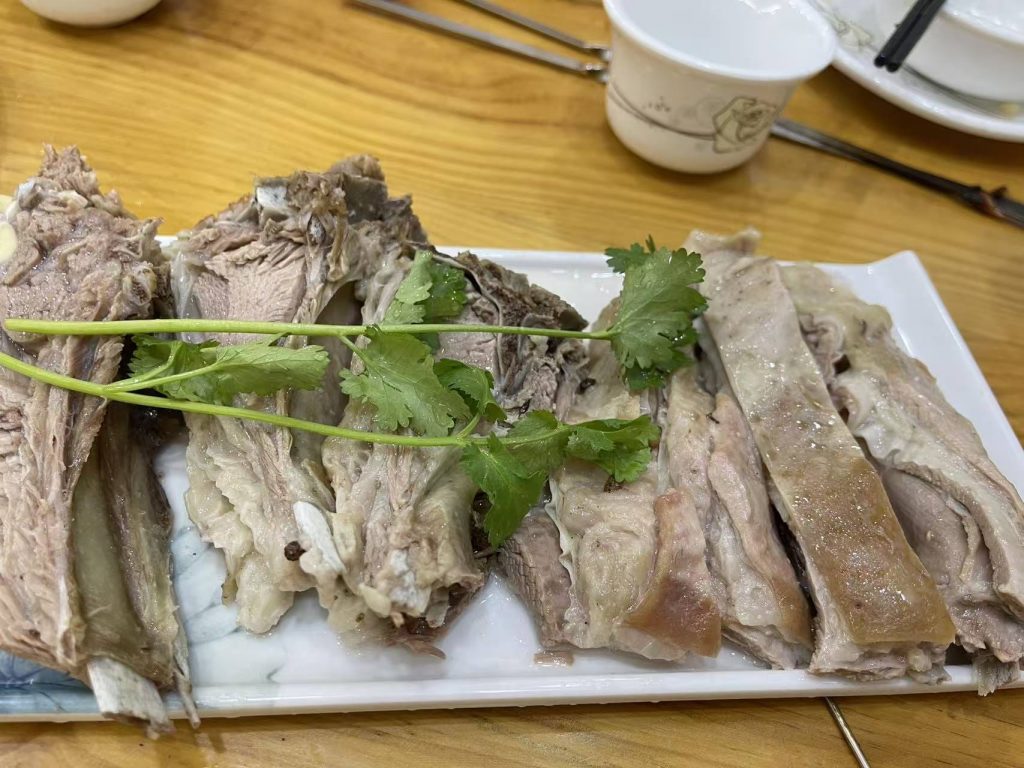
Along the way, I experienced regional specialties such as authentic Lanzhou beef noodles, reflecting the local foodways and culture. The soup was slightly salty but fragrant, though the beef was a bit dry. I found the lamb much better than the beef in Lanzhou, and I recommend trying the hand‑grabbed lamb—the best lamb I have ever tasted!
Exploring Gansu’s Ecology and Geology at National 3A and 4A Tourist Attractions
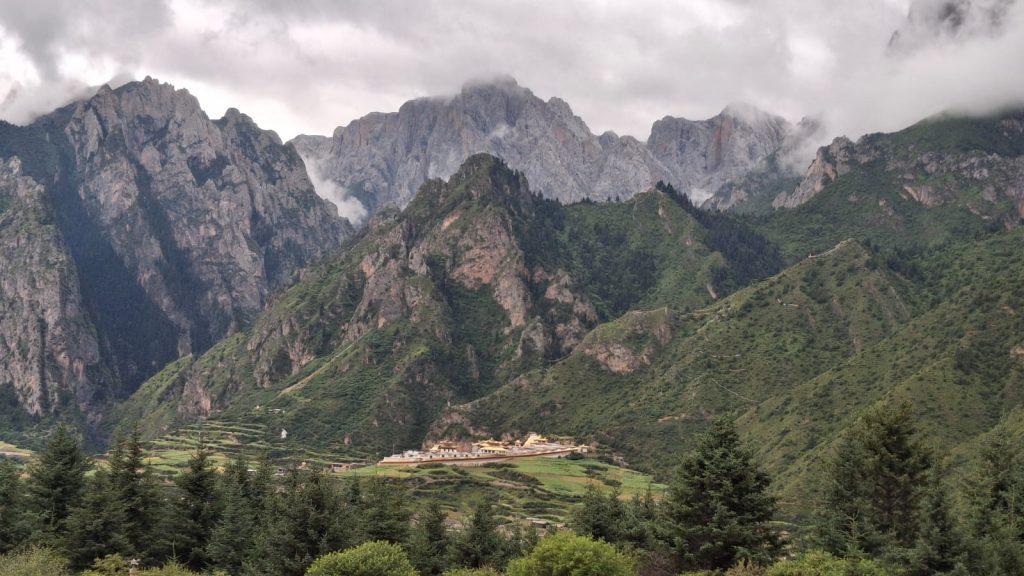
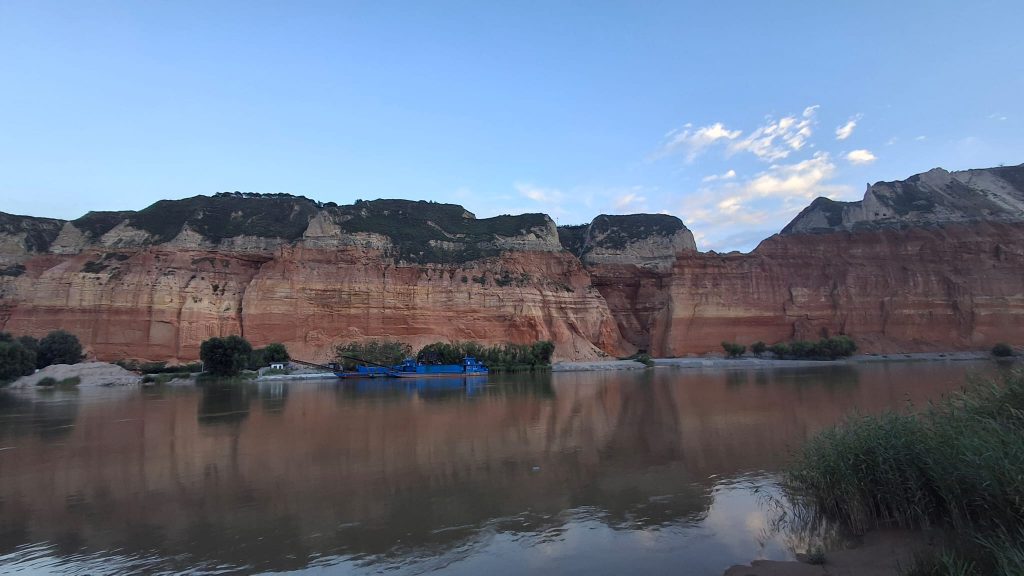
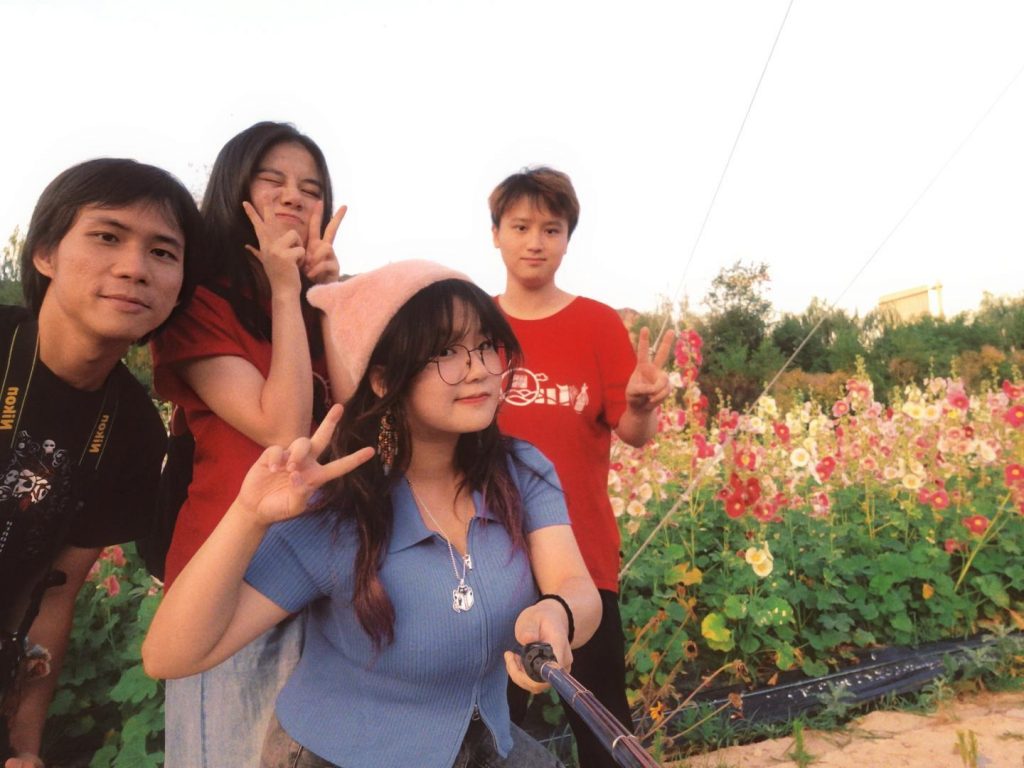
Our journey covered two distinct ecological highlights. At Zhagana (扎尕那), a National 4A Tourist Attraction (國家4A級旅遊景區及)and a Globally Important Agricultural Heritage Systems (GIAHS) site(全球重要農業文化遺產地), we followed clear signage past Quaternary glacial relics(第四紀冰川遺跡)and alpine ecosystems(高山生態系統)to reach Fairy Lake(仙女湖). We then explored Taiji Island Wetland Park(太極島濕地公園), a National 3A Tourist Attraction(國家3A級旅遊景區), concluding our study by photographing its vibrant hollyhock field(蜀葵花田).
Synthesis and Future Outlook
This 10-day expedition proved that sustainable spatial planning must balance ecological limits with cultural contexts beyond desktop modeling. Integrating complex topographic and ecological data is essential for future land utilization. As President of Gravel, I look forward to inspiring fellow GRMG students to embrace experiential fieldwork and apply geospatial solutions to real-world environmental challenges.
