




Written by GRMG Year 2 student, Ms. Wong Ching Yi (黃靜懿 )
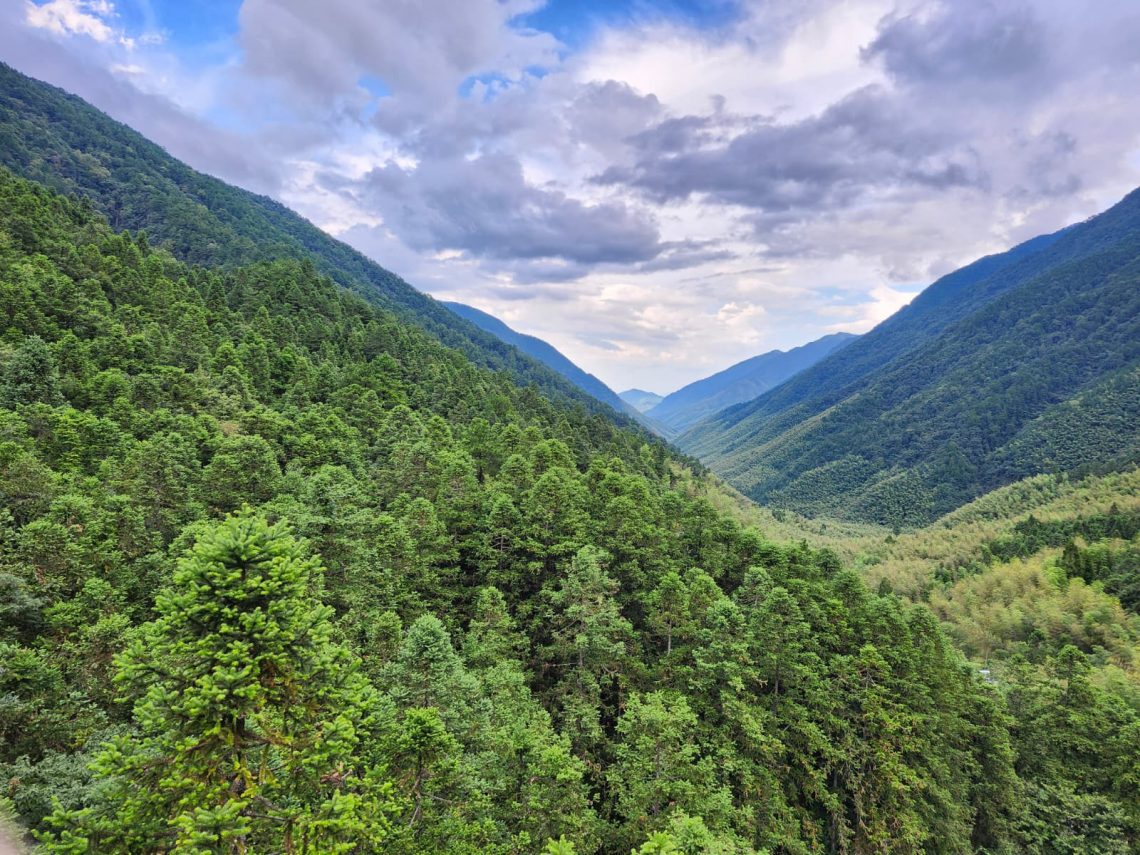
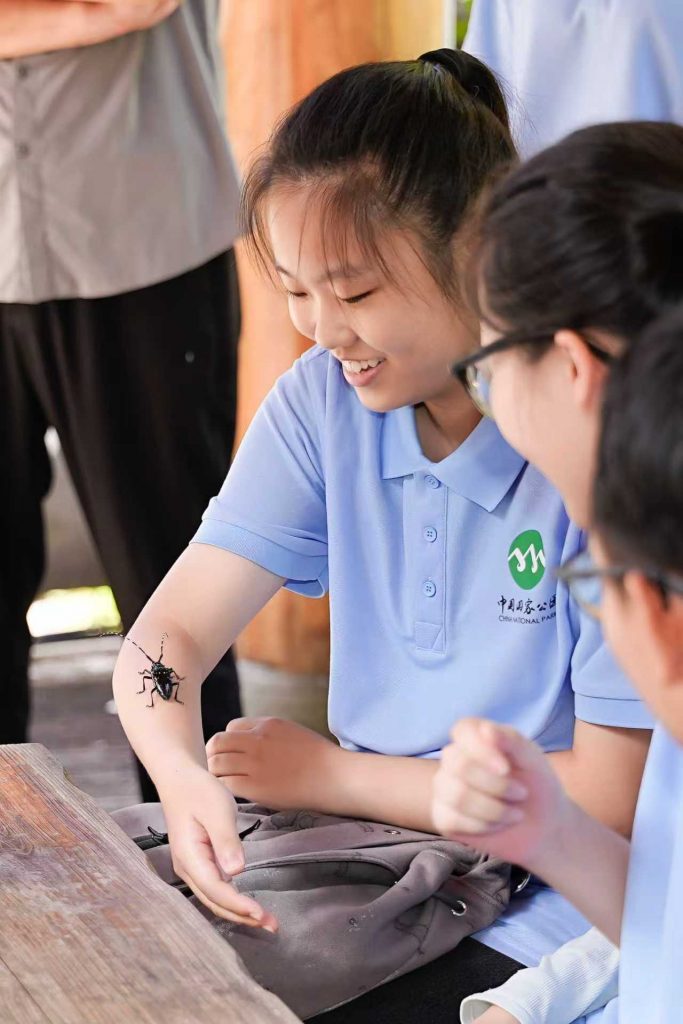
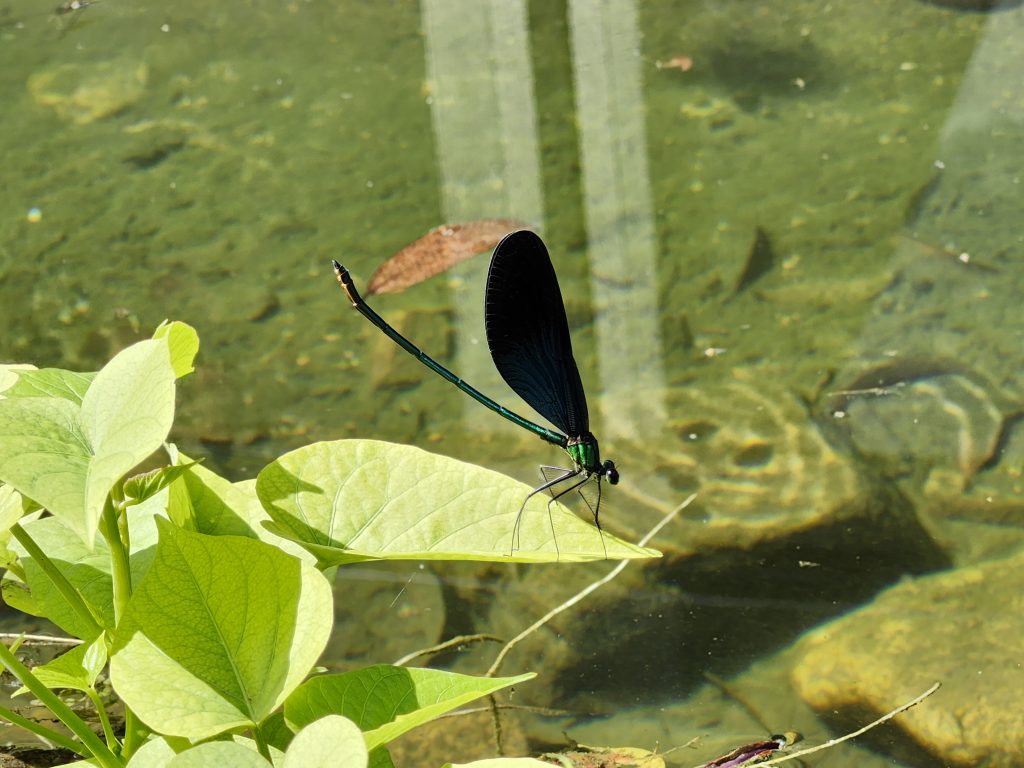
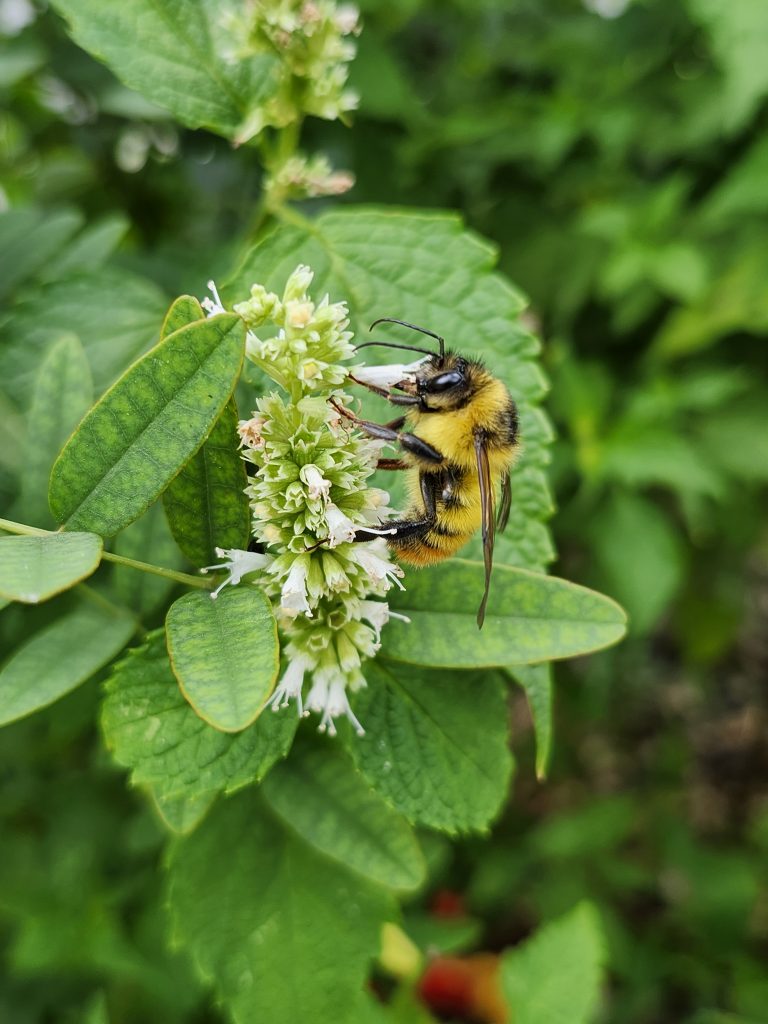
At the end of this summer holiday, I had the opportunity to participate in an ecological research and study activity in Jiangxi Wuyishan National Park(江西武夷山國家公園), which has been designated by UNESCO as both a natural and cultural World Heritage site. Over the course of four days, I immersed myself in the rich natural environment, discovering a wide variety of insects, amphibians, and other wildlife. This experience not only deepened my appreciation for biodiversity but also broadened my understanding of how ecological conservation is closely tied to cultural practices, such as the region’s renowned tea culture.
Jiangxi Wuyishan National Park is part of the larger Wuyishan region, which straddles the border between Jiangxi and Fujian provinces. The Jiangxi section covers approximately 1,280 square kilometers and contains the largest area of central subtropical primary forest ecosystem at this latitude in the world. This makes it a globally significant site for biodiversity conservation. It is also home to several Class I nationally protected species in China, including the Hairy-fronted muntjac (黑麂), Cabot’s tragopan (黃腹角雉), and the golden monkey (Rhinopithecus roxellana 川金絲猴), highlighting its ecological importance.
The park’s unique physical geography is shaped by the Danxia landform(丹霞地形), characterized by steep red cliffs, winding river valleys, and dramatic fault structures (斷層構造). As part of the Cathaysian fold system (華夏褶皺繫), the region has undergone intense volcanic activity in the past, earning it the title of “the largest fault in southeastern China.” These geological features not only create stunning landscapes but also influence soil composition, hydrology, and vegetation patterns—key factors in resource management and ecological planning.
During the activity, we visited the Exhibition Hall of Wuyishan National Park, participated in a night walk to observe nocturnal species, explored river traces that revealed geomorphological processes, and engaged with the local tea culture. These diverse experiences allowed me to connect the dots between physical geography, ecological systems, and human livelihoods. For example, the quality of tea leaves is directly influenced by the microclimate and soil conditions shaped by the park’s unique terrain and forest cover. This illustrates how sustainable resource management and environmental conservation are essential not only for protecting biodiversity but also for supporting local economies.

Moreover, coming from Hong Kong, where there are no National Parks but Country Parks, this trip was eye-opening. I encountered species such as dobsonflies and earwigs that I had never seen before, and I enjoyed sharing my knowledge of insects and animals with others. The experience strengthened my connection to nature and inspired me to pursue further studies and a career in environmental conservation and resource management.
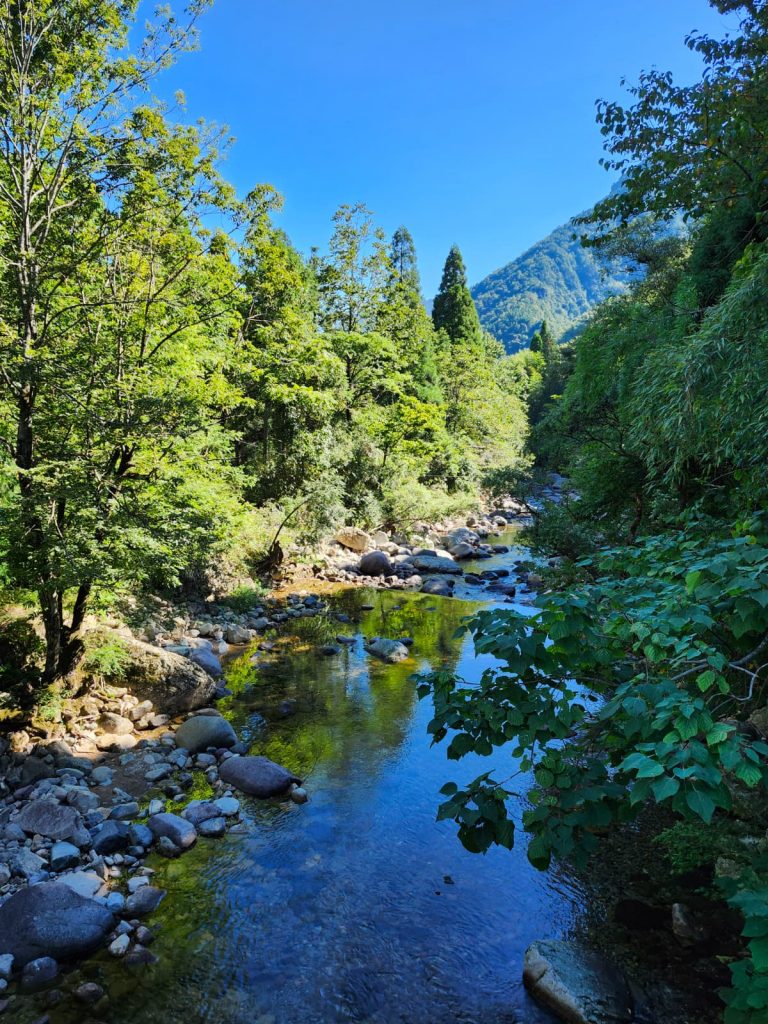
It was a great honor to join this ecological activity in Jiangxi Wuyishan National Park. The trip not only enriched my academic perspective but also left me with unforgettable memories and a deeper commitment to protecting our planet’s natural heritage.
[All photos are credited to Ms. Wong Ching Yi, GRMG Year 2 Student]
