




Black or white, which one would you choose? — by Dr. Leo Lee, Division of Applied Science
Keywords: Consumer products, chemicals, toxicity, colors, testing, health science, safety, domestic knowledge
Accepted: June 26, 2026; Online first: July 9, 2026; Published: July 13, 2026 (TBC)
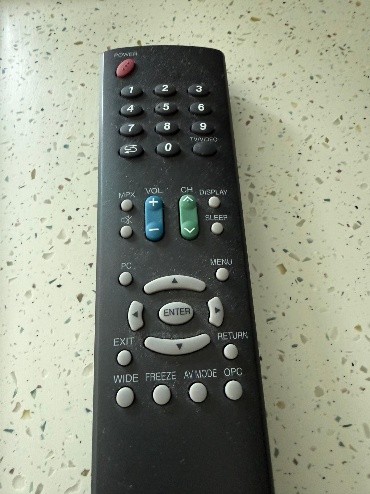
Day in and day out, people use a wide variety of black consumer products. Consumer products are also known as consumer goods which are generally purchased by consumers for personal or intended uses[1]. Examples include toys, electronics, utensils, food containers, packaging, clothing accessories, synthetic leather, etc. When you or your family receive these kinds of consumer goods, it is very likely that you may simply try and evaluate if the consumer products fit for your intended purposes. From the marketing point of view, black represents strength, power and authority, evoking feelings of elegance and sophistication. Black could also bring you the feeling of quality. Black would even be the ideal choice among luxury brands[2]. People are very excited when they receive a black Louis Vuitton (LV) handbag as a gift. Meanwhile, families are satisfied after they have installed a new black-framed smart TV. Many people use a laptop with a black casing, say, Lenovo. Probably, your mobile screens were also set in dark mode to protect your eyes from strong radiation, if possible. Nonetheless, in science, black appearance would mean nearly complete absorption of visible light by the coloring agent’s molecular structure. This implies a complex composition arising from the mixing of many kinds of molecules or materials. Blackening of substances can occur when light absorbing pollutants accumulated in consumer products[3]. Our skin would touch different consumer products with contacting time, ranging from seconds for a lamp brightness controls and TV remote controls (Figure 1) to hours for eyeglasses and watches. Chemicals may leach from the consumer products onto our skin, which could produce an allergic response or lead to inflammation. Depending on the nature of products, they would cause risks to varying extents. The adverse effect would range from etching to the development of skin cancer. The affected groups include people at different ages.
Black electronics, electrical appliances, toys and juvenile products, kitchen utensils, food containers, shoes, textiles and garment, sofas and packaging are everywhere. Hinging on the smoothness of the surface, the color can mask stains from food, drink and sweat. Research findings have revealed that raw materials used to make the black consumer products may lead to health and environmental concerns[4]. In particular, electronic and electrical products are produced by assembling switches, sockets, microchips and circuit boards, and they are usually covered by a black casing. People may carry several mobile devices at the same time, and they are very likely to look for short charging time and high charging current. These materials are supposed to easily expand or deform when their internal temperature increases as the charging/discharging current is large to produce sufficient ohmic heat. They may catch fire and impose further risk to the consumers nearby. Thus, fire arising from sub-standard charging batteries or sockets is not uncommon. There are also reported cases of having lithium-ion typed mobile battery exploded and caught fire inside flying planes. In reality, during the manufacturing process, electronic and electrical products are designed to contain flame retardants to lower the risk of catching fire. But without consumers knowing, the use of flame retardants in the manufacturing process can be hazardous. Ethically, despite the need to include flame retardants, products sold in the market must be safe to carry and to contact with human skins. For instance, products entering the China market should fulfil safety requirements like China Compulsory Certification (CCC); those commercially available in EU markets should comply with EU directives on “Restriction of Hazardous Substances in Electrical and Electronic Equipment (RoHS)” and with REACH on “Substances of Very High Concern (SVHC)” and bear a “CE mark”, which means compliance to product safety requirements. Products made of black plastic are very likely to contain recycled e-waste plastics with brominated flame-retardant (BFR) chemicals, such as PBDEs and PBBs, and possibly dioxin. These organic substances are highly toxic to human beings. Children and juveniles in short or long contact with such battery-driven toys will have their health seriously but unknowingly threatened. According to some studies, the levels of toxic chemicals found in black plastic toy samples could be comparable to the levels found in hazardous wastes, such as the ash from waste incinerators[5]. In this regard, consumers should look for products that are free from BFRs and heavy metals.
Alongside children’s toys at home, mothers’ plastic utensils and food containers in black are manufactured using recycled plastics derived from old computer parts and TV sets. They may contain recycled BFRs, heavy metals and other hazardous substances that are banned and not intended to make utensils and food containers. Toxic chemicals, including BFRs such as PBDEs and PBBs and heavy metals such as Lead, Cadmium and Mercury, may leach out from black food containers, especially at raised temperature[6]. In the long run, these toxic chemicals would lead to serious health issues, including cancer, endocrine disruption, neurotoxicity, infertility, developmental problems in children, and harm to the kidneys and brain[7]. The quality of food-contact items must comply with the food-grade standard LFGB and must not contain those hazardous substances exceeding the harmful limits. Children are vulnerable as they may mouth the black plastic food containers or cutlery, and the contact time is long enough to let the toxic chemicals leach out. It is therefore advised not to use a microwave oven to heat up food in black plastic containers as heat would accelerate the migration of such hazardous substances into food[8]. Additionally, use stainless steel, glass or wooden materials to hold or transfer hot foods whenever possible.
Not only black items would contain toxic chemicals, soft-colored and colorless containers would also be contaminated to different extents with colorless hazardous chemicals. A typical example of these substances is bisphenol A (BPA), one of the raw materials to make unbreakable plastics and epoxy resins while some residual BPA may stick to the product polycarbonate (PC). PC is used in manufacturing colorless glasses, goggles, food packaging, toys, water bottles and milk bottles. Any residual BPA in the milk bottles can leach into the drink or prepared formulated milk at elevated temperature. A label for “BPA free” is a must if you are going to buy a water bottle for drinks and beverages, not to mention a milk bottle for formulated milk at such a high temperature as 75 degrees Celsius, which is usually required to prepare milk to feed babies[9]. As a side note, BPA also belongs to the broad classes of Endocrine-disrupting chemicals (EDCs) and would bring about adverse effects as plasticizers and brominated flame retardants (BFRs) do.
Back to children, plush toys may surprisingly be filled with unregulated cotton or fibrefill which may contain formaldehyde and heavy metals. These chemicals may cause allergies to infant babies and children who have direct contact with the plush toys. Black dyes on plush toy fabrics would also contain large amounts of formaldehyde and heavy metals. Formaldehyde is linked to allergies, respiratory irritation, and even cancer with long-term exposure. Children who mouth or sleep with the plush toys could inhale or absorb formaldehyde vapor; and then at increased health risks. Sometimes short- and medium-chain chlorinated paraffins SCCPs and MCCPs are added to make the dolls softer and more comfortable to hug. Frankly speaking, these Chlorinated Paraffins (SCCPs, MCCPs) are persistent, bio-accumulative, and toxic. They would increase the risk of developing cancer. Parents are recommended to choose toy products showing safety labels such as ASTM F963 (U.S.), EN71 (Europe) and CCC (China).
While kids are easily exposed to such risks, adults make no exception as they dress up with Softline products. Scientifically, they include consumer goods made of textiles, leather, fabrics, and other flexible materials, namely clothing, footwear, home textiles, and accessories. These products are well known to present specific health risks attributed to the toxic chemicals used during manufacturing, dyeing, and finishing. Costs spent on third-party testing of suspected hazardous chemicals on Softline products, as commissioned by the international brands such as Adidas, Puma, Nike, Burberry, etc., are believed to make major contribution to the subsequent high selling prices. With advanced sample pretreatment technologies and sophisticated laboratory instruments, the quantitative and qualitative analysis for the suspected hazardous chemicals can be accomplished with high confidence and acceptable turn-around times. Dyes, such as Azo dyes and dispersed dyes, are added to give color to the products. Heavy metals such as chromium, cadmium, arsenic and lead may be used in dyes or tanning processes (animal skins). Formaldehyde frequently serves as preservatives and anti-wrinkle agents, but as mentioned above, people with skin or airway conditions may be sensitive to exposure. Chlorinated paraffins including SCCPs, MCCPs and LCCPs are used in Softline products as softeners, plasticizers, flame retardants, and water-repellent agents. Chlorinated paraffins are hazardous and persistent in our environment. Leading brands have stopped using these paraffins in the manufacturing processes. It is important to note that BFRs mentioned above may also be found in these garments, especially those classified as “fast fashion”. Phthalates and plasticizers have long been used primarily in synthetic leather, trims, and coatings to make the product attractive, soft and elastic. However, plasticizers are described as Endocrine-disrupting chemicals (EDCs) because they are infamous for disrupting human hormones and leading to abnormal growth in human beings. Evidence connecting the EDCs and health developmental challenges has also been established. They include attentiondeficit hyperactivity disorder (ADHD), immunity, metabolism, preterm birth, puberty and reproduction[10]. The detrimental effects would be more pronounced for developing foetuses and newborns.
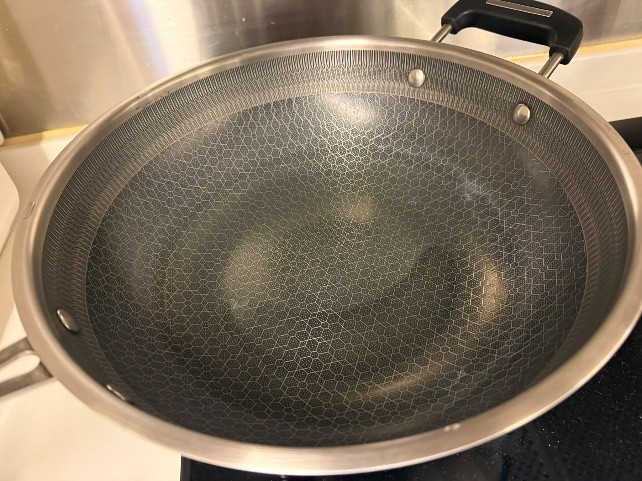
Associated with dressing up is often eating out – where hazards similarly concern us. Per- and polyfluoroalkyl substances (PFAS) have been used in fast food wrapping papers for Big Macs and burgers (Figure 2), paper bags for French fries and cookies, and paper plates to provide grease resistance for long, but their presence has raised significant global concern. It is important to note that PFAS are found in wrappers and packaging supplied by Burger King, KFC, Subway, Starbucks, Dunkin’ Donuts, Chick-fil-A, Wendy’s, Taco Bell, Popeyes, Tim Hortons, Panera, Sweetgreen, and even health-focused brands[11 – 15]. PFAS are also known as “forever chemicals” because they persist in the environment and accumulate in human bodies over time. They are also the main ingredients in Teflon coatings on non-sticky pans (Figure 3). Grease-proof surfaces treated with PFAS allow migration of these chemicals into food, especially hot or fatty foods. Connections between PFAS and serious health conditions including liver damage, adverse effects on the immune system and various types of cancer have been academically established[16]. In response to the worries, many suppliers have recently and substantially reduced the use such non-sticky and greaseproof materials.

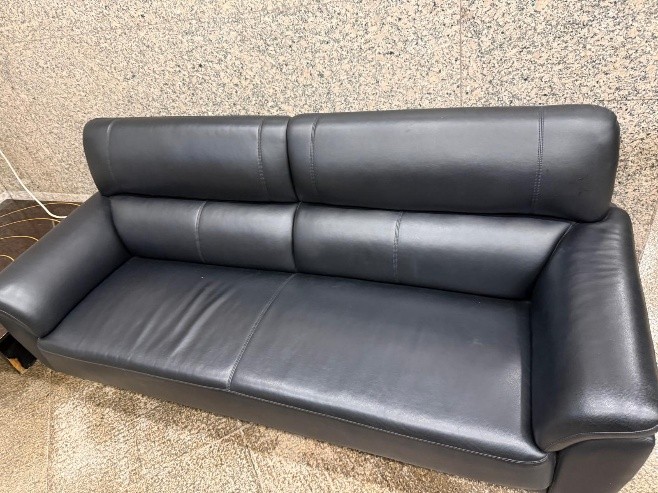
Time flies while having fun, and families come home for the rest of the evening. There are fathers who enjoy watching smart TV channels, lying on the black sofa (Figure 4). Polyurethane (PU) leather sofas and genuine leather sofas are prevalent in the market. PU leather is made from synthetic material polyurethane, plasticizer and formaldehyde; the PU foam for cushion may contain brominated flame retardants and volatile organic carbons (VOCs). VOCs may cause indoor air pollution, causing irritation of the eyes, nose, and throat, or headaches[17]. In view of the advert effects of VOCs, brominated flame retardants, plasticizer and formaldehyde[18], some people may look for genuine leather, but genuine leather need to undergo tanning processes using highly toxic chromium(VI) as a solution. Ultimately, tanned leather may contain residual chromium, and it may cause cancer or allergy. Adhesives containing formaldehyde seems unavoidable, especially when a sofa is new or of low quality. Genuine leather sofas observing strict modern standards are generally safe for daily use. Nonetheless, consumers should choose products showing labels “OEKO-TEX” or “CARB” for reduced chemical exposure as long as they are affordable.
In conclusion, toxic chemicals are intentionally or unintentionally added during the manufacturing process of different consumer goods to enhance the user physical or psychological experience. Light-colored consumer goods are not necessarily safer as huge number of Substances of Very High Concern (SVHC) appear colorless. To reduce the risk imposed to the users, choose those which show safety labels such as “ASTM F963” for toys, “BPA-free” for water bottles, “LFGB” for food containers, to name but a few.
References
[1] BBANote. (n.d.). What is consumer product? Types, & examples. Retrieved on July 15, 2025, from https://bbanote.org/consumer-product/
[2] Belson, M. (n.d.). The psychology of black in branding: An in-depth look into branding strategies. LinkedIn. Retrieved on July 15, 2025, from https://www.linkedin.com/pulse/psychology-black-branding-in-depth-look-strategies-matthew-belson-nks0e
[3] Chemistry Stack Exchange. (2014, October 24). Why do some materials turn black and others white after combustion? Retrieved on July 18, 2025, from https://chemistry.stackexchange.com/questions/2428/why-do-some-materials-turn-black-and-others-white-after-combustion
[4] Beyond Plastics. (2024, December 12). Why black plastic is bad news. Retrieved from https://www.beyondplastics.org/fact-sheets/black-plastic
[5] Arnika. (2020, June 26). Study finds toys made of black recycled plastics pose serious threat to children’s health. Retrieved on July 18, 2025, from https://arnika.org/en/news/study-finds-toys-made-of-black-recycled-plastics-pose-serious-threat-to-children-s-health
[6] CBC Radio. (2023, November 30). Black plastics may contain toxic compounds that can leach into food, experts say. CBC. Retrieved from https://www.cbc.ca/radio/whitecoat/black-plastic-the-dose-explainer-1.7390842
[7] Great Eastern Singapore. (n.d.). Black plastic? That’s toxic. Retrieved from https://www.greateasternlife.com/sg/en/personal-insurance/lifepedia/medical-coverage/black-plastic-thats-toxic.html
[8] Family Health Service, Department of Health. (2024, June). How to prepare baby’s formula feed. Retrieved from https://www.fhs.gov.hk/english/mulit_med/000129.html
[9] University of Rochester Medical Center. (n.d.). Is the plastic in your kitchen harmful? Health Matters. Retrieved from https://www.urmc.rochester.edu/news/publications/health-matters/is-the-plastic-in-your-kitchen-harmful
[10] National Institute of Environmental Health Sciences. (n.d.). Endocrine disruptors. Retrieved from https://www.niehs.nih.gov/health/topics/agents/endocrine
[11] Philpott, T. (2022, March 24). New study finds PFAS in food wrappers from Chick-fil-A, Burger King, McDonald’s. The Counter. Retrieved from https://thecounter.org/study-pfas-food-wrappers-chick-fil-a-burger-king-mcdonalds-illegal-california/
[12] Consumer Reports. (2022, March 24). Dangerous PFAS chemicals are in your food packaging. Retrieved from https://www.consumerreports.org/health/food-contaminants/dangerous-pfas-chemicals-are-in-your-food-packaging-a3786252074/
[13] Million Marker Staff. (2024, March 19). PFAS in food packaging: Fast food practices differ globally. Million Marker. Retrieved from https://millionmarker.com/blogs/blog/pfas-in-food-packaging
[14] IPEN. (2023, December 13). Forever chemicals in single-use food packaging and tableware from 17 countries. https://ipen.org/publication/forever-chemicals-single-use-food-packaging-and-tableware-17-countries/ As reported in The PFAS Project Lab. (2023, December 14). Single-use food packaging from 17 countries contains PFAS “forever chemicals”. Retrieved from https://pfasproject.com/2023/12/14/single-use-food-packaging-from-17-countries-contains-pfas-forever-chemicals/
[15] Food Packaging Forum. (2020, August 6). Study detects PFAS across US fast food restaurant packaging. Retrieved from https://foodpackagingforum.org/news/study-detects-pfas-across-us-fast-food-restaurant-packaging
[16] National Cancer Institute, Division of Cancer Epidemiology & Genetics. (n.d.). PFAS exposure and risk of cancer. Retrieved from https://dceg.cancer.gov/research/what-we-study/pfas
[17] Dreesmann, M. (n.d.). What is PU leather – and why you should avoid! Retrieved from https://www.manuel-dreesmann.com/blogs/information/what-is-pu-leather-and-why-you-should-avoid
[18] VeganDesign.org. (n.d.). 9 toxic chemicals to avoid in furniture. Retrieved from https://www.vegandesign.org/blog/9-toxic-chemicals-to-avoid-furniture